
Rethinking Insider Threat Detection for the Hybrid Era

Author: Marie Strawser, UMSA Managing Director
January 7, 2026
As we enter 2026, hybrid work has become the default operating model for most organizations. While employees appreciate the flexibility, security teams face a persistent challenge: insider threats have evolved in tandem with our work environments. The question is no longer whether to embrace hybrid work, but how to secure it without sacrificing the productivity and autonomy that make it successful.
The Hybrid Work Insider Threat Landscape
 Insider threats in hybrid environments differ from traditional risks in several important ways. When employees work from multiple locations using various devices and networks, the attack surface expands significantly. A disgruntled employee working from a home office has different opportunities and constraints than one in a corporate building with physical security controls and IT oversight.
The threat comes in three primary forms. Malicious insiders intentionally steal data, sabotage systems, or facilitate external attacks, often motivated by financial gain, revenge, or ideological beliefs. Negligent insiders inadvertently create vulnerabilities through poor security practices, such as using weak passwords, clicking on phishing links, or mishandling sensitive data. Compromised insiders have their legitimate credentials stolen or their accounts taken over by external attackers, who then operate with the same privileges as insiders.
Recent research suggests that insider incidents have increased as hybrid work arrangements have expanded. The combination of decreased visibility, expanded access requirements, and employee stress has created conditions where both malicious and negligent insider behavior can flourish undetected.
Why Hybrid Work Amplifies Insider Risk
Several factors make hybrid environments particularly vulnerable to insider threats. Visibility gaps emerge when security teams lose the continuous monitoring capabilities that physical offices and corporate networks provide. An employee accessing sensitive files at 2 AM from a coffee shop might be working late on a legitimate project or exfiltrating data before resignation.
Access complexity has increased as organizations expand network access, cloud resources, and collaboration tools to support remote work. Each access point represents a potential vulnerability if credentials are compromised or misused. The principle of least privilege becomes harder to enforce when employees need flexibility to access resources from anywhere.
Device proliferation introduces risk as employees use personal devices, work-issued laptops, tablets, and phones across home networks, public Wi-Fi, and corporate VPNs. Tracking what data touches which devices and ensuring consistent security controls across this ecosystem challenges even mature security programs.
Cultural shifts also play a role. The informal oversight that naturally occurred in office settings, where managers could observe unusual behavior or colleagues might notice someone accessing unfamiliar systems, has diminished. Employees working in isolation may rationalize security shortcuts or fail to recognize risky behavior without the social reinforcement that office environments provided.
The Trust Paradox
 Organizations face a fundamental tension in securing hybrid work. Excessive monitoring and restrictive controls erode the trust and autonomy that make hybrid work attractive, potentially driving talent to competitors. Yet insufficient security measures leave organizations vulnerable to data breaches, compliance violations, and operational disruption.
The challenge is that the most effective security measures can feel like the greatest invasions of privacy. Keystroke logging, comprehensive screen capture, and granular activity monitoring give security teams detailed visibility into potential threats, but they also signal deep distrust to employees and can create a surveillance culture that harms morale and retention.
Building a Balanced Approach
Effective insider threat programs for hybrid work require a foundation of clear, consistently enforced security policies that acknowledge the realities of remote work. Rather than blanket restrictions that frustrate legitimate work, policies should focus on protecting critical assets while allowing flexibility for less sensitive activities.
Risk-based access controls enable organizations to tailor security measures to actual risk levels. An employee accessing public marketing materials requires different controls than one downloading customer financial records. Multi-factor authentication, contextual access policies that consider location and device posture, and just-in-time privileged access for sensitive operations all provide security without constant friction.
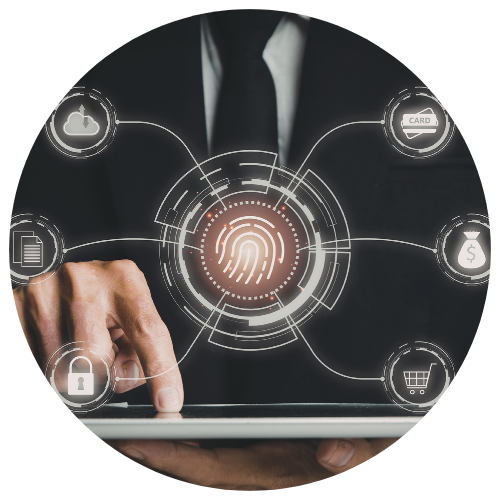 User and entity behavior analytics (UEBA) tools detect anomalies without requiring constant human oversight. When an employee suddenly downloads significantly more data than their baseline, accesses systems outside their normal pattern, or logs in from unusual locations, UEBA can flag these activities for review. The key is tuning these systems to minimize false positives while still catching genuine threats.
Data loss prevention (DLP) tools should trfocus on preventing egregious violations rather than blocking every potential risk. Preventing bulk downloads of sensitive files, blocking unauthorized cloud storage uploads, and alerting on attempts to disable security controls provide protection while allowing employees to work efficiently.
Transparency about monitoring helps strike a balance between security and trust. Employees who understand what is monitored, why, and how that information is used are more likely to view security measures as protective rather than intrusive. Regular communication about insider threat programs, including anonymized examples of caught threats, demonstrates the program’s value without creating a culture of suspicion.
The Human Element
Technology alone cannot solve insider threats. A comprehensive program requires attention to the human factors that drive insider behavior. Employee engagement and satisfaction directly correlate with insider threat risk. Organizations with high turnover, poor management, or toxic cultures see more insider incidents. Regular pulse surveys, exit interviews, and attention to employee well-being can identify potential issues before they escalate to security incidents.
Security awareness training must evolve beyond annual compliance exercises to address the unique risks associated with hybrid work. Employees need practical guidance on securing home networks, recognizing social engineering attempts, handling sensitive data outside the office, and reporting security concerns. Training should be brief, relevant, and integrated into the workflow rather than interrupting it.
Clear reporting mechanisms and whistleblower protections encourage employees to report suspicious behavior without fear of retaliation. Many insider threats are detected by colleagues who notice unusual activity, but only if they have a trusted channel for reporting concerns.
Technical Controls That Respect Privacy
Modern security tools offer sophisticated capabilities that protect organizations without invasive monitoring. Endpoint detection and response (EDR) platforms can monitor for malicious activity patterns without recording every keystroke or screenshot. Cloud access security brokers (CASB) enforce policies for cloud applications while maintaining employee privacy in approved services.
Zero trust architecture assumes no user or device is inherently trusted and continuously verifies access requests. This approach provides strong security without requiring comprehensive monitoring of all employee activity; instead, it focuses on protecting critical resources and detecting abnormal access patterns.
Data classification and protection ensure that sensitive information is identified, labeled, and protected with appropriate controls, regardless of where employees work. When employees understand which data is sensitive and see consistent handling requirements, they’re more likely to comply with security policies.
Measuring Success
Insider threat programs should be measured not only by their ability to prevent incidents but also by their impact on organizational culture and productivity. Key metrics include time to detect insider incidents, false-positive rates from monitoring systems, employee satisfaction with security tools, the productivity impact of security controls, and voluntary reporting of security concerns.
A successful program should become less visible over time as security controls become embedded in workflows and culture rather than imposed through surveillance and restrictions.
Looking Ahead
As hybrid work continues to evolve, insider threat programs must adapt to the new challenges it presents. The increasing use of AI tools raises questions about data handling when employees use external AI services. The continued expansion of cloud and SaaS applications creates more potential exfiltration paths. The growing sophistication of social engineering attacks means even well-intentioned employees may inadvertently become insider threats.
Organizations that succeed in balancing security and flexibility will treat insider threat programs as enablers of business rather than restrictions. They’ll invest in tools that provide security without friction, cultivate cultures where security is everyone’s responsibility, and recognize that trust and verification are not mutually exclusive.
The goal is not to eliminate all insider risk, which is impossible in any organization that employs humans. The goal is to reduce risk to acceptable levels while maintaining the flexibility and trust that make hybrid work sustainable and attractive. In 2026, the organizations that master this balance will have a significant advantage in both security posture and talent retention.