Dip, Swipe, Tap, or Phone: What’s the Most Secure Way to Pay?
Author: Marie Strawser, UMSA Managing Director
June 16, 2026
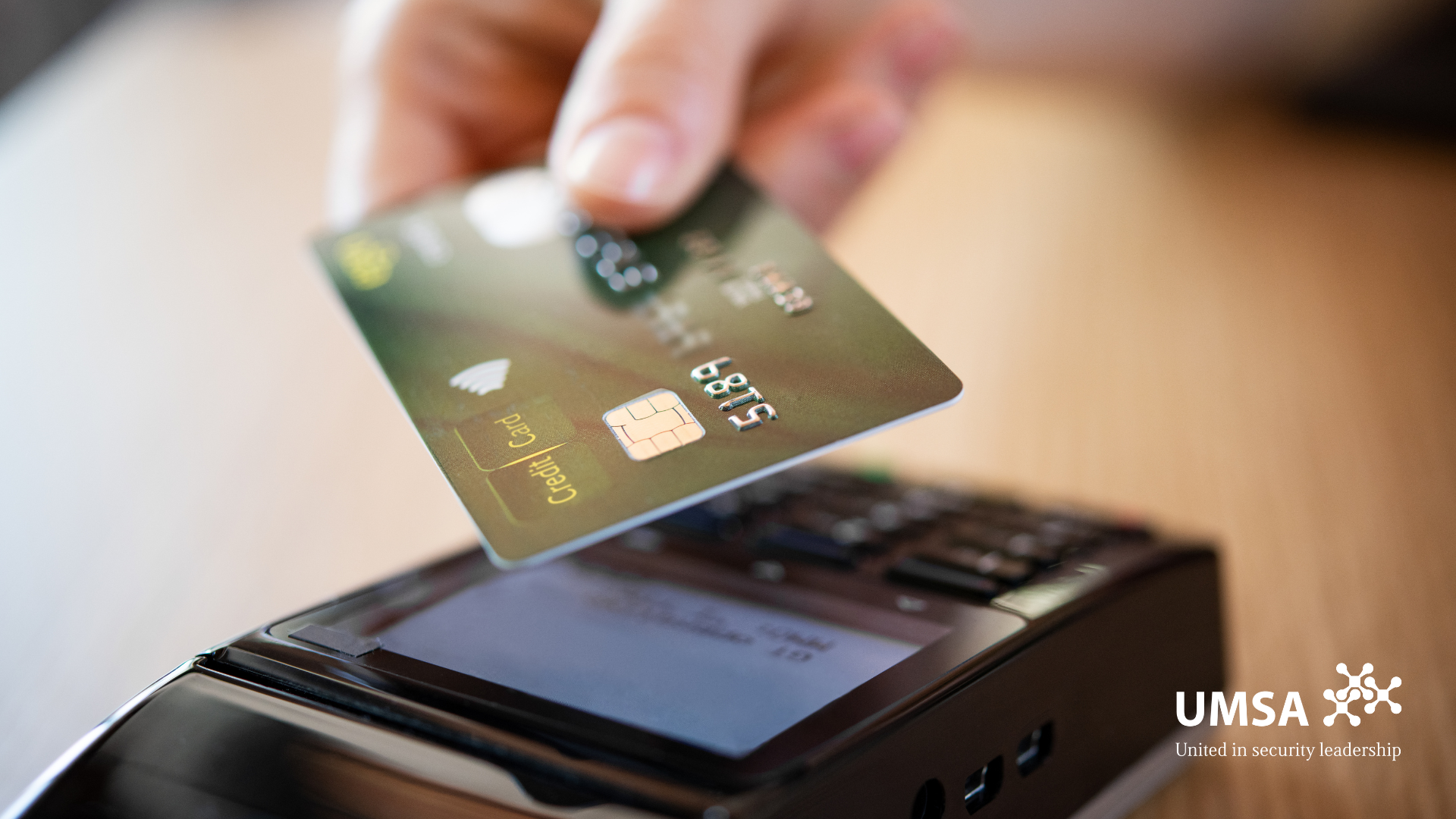
“Swipe or insert?” used to be the question at the checkout counter. These days, you’re just as likely to tap your card, wave your phone, or glance at a facial recognition prompt. Payment technology has evolved rapidly since 2018 and so have the security measures behind every transaction. Here’s what you need to know about the current landscape.
A Quick Recap: Why the Chip Card Still Matters
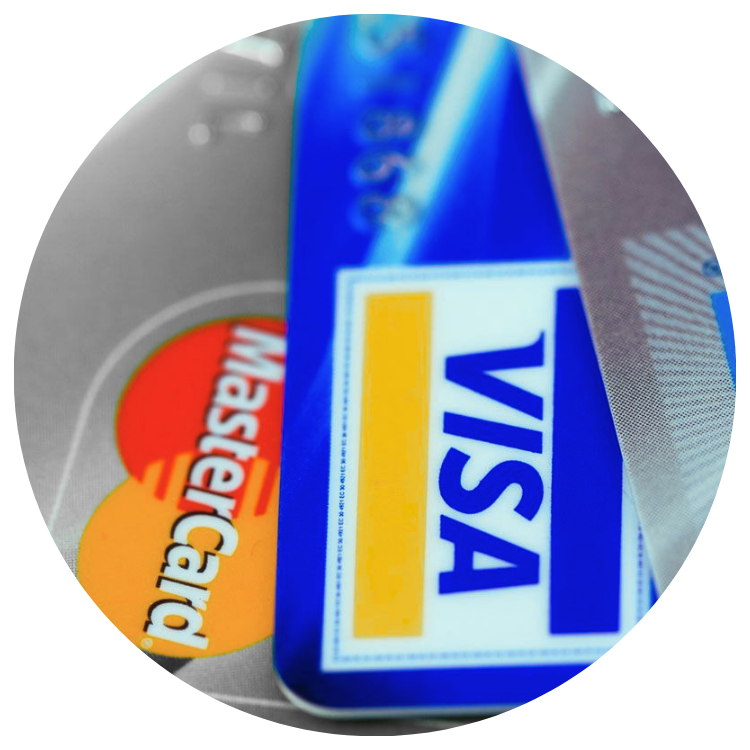 In October 2015, liability for fraudulent card-present transactions shifted from banks to retailers, creating a strong incentive for merchants to adopt EMV chip technology. EMV — named for Europay, Mastercard, and Visa, the three organizations that developed the standard in 1993 — uses an embedded microprocessor chip instead of a static magnetic stripe.
When you “dip” a chip card, the chip and the payment terminal have an encrypted conversation to verify the transaction. Crucially, the chip generates a unique code for every single purchase, so even if a fraudster intercepts the data, it can’t be reused. With a magnetic stripe, there’s one fixed set of data that can be cloned with a relatively inexpensive device.
The results have been dramatic. Card-present fraud has dropped by approximately 87% since widespread EMV adoption, and U.S. retailers have seen a 72% reduction in fraudulent transactions.
Where we are today: In 2018, EMV adoption in the U.S. was still a work in progress, with many merchants slow to update their terminals. That’s largely a solved problem now. As of 2025, roughly 95% of card-present transactions in the U.S. use EMV chip technology — up from around 88% in 2023. The chip card is no longer the exception; it’s the standard.
Contactless / Tap to Pay: Now the Global Norm
Contactless payment — tapping your card or phone to a terminal — uses the same underlying EMV chip technology but communicates via NFC (Near Field Communication) rather than a physical connection. It offers the same strong encryption as the dip method with a significantly faster checkout experience.
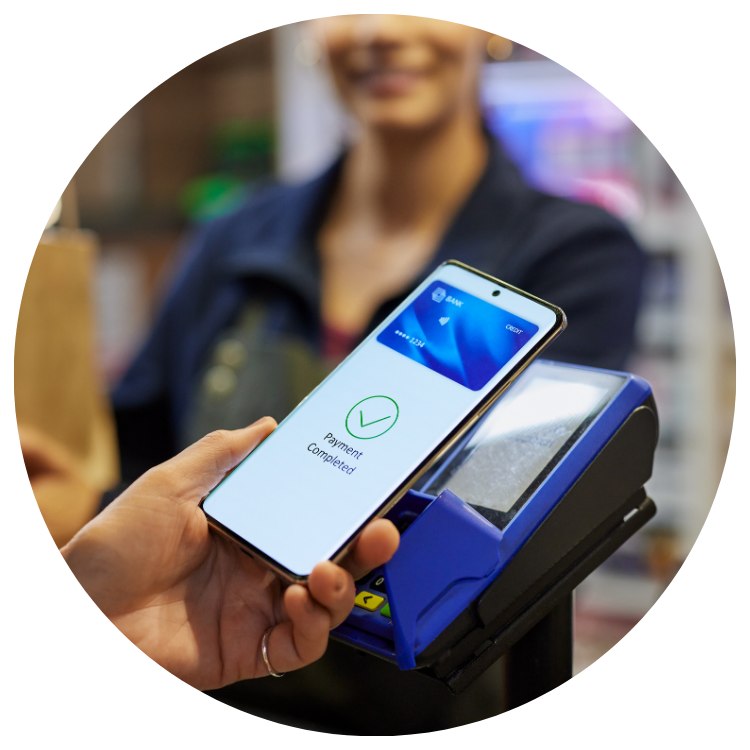 What was still a novelty in parts of the world in 2018 is now mainstream. Over 80% of global consumers use contactless payment methods today, up from 74% in 2022. In markets like Australia (95%), Singapore (97%), and the U.K. (93%), contactless has become the default. In the U.S., nearly 90% of consumers now use some form of contactless payment.
A note on transaction limits: Contactless cards do have security thresholds — spending over a certain limit (often $100 or the card issuer’s set amount) will prompt you to insert your card and enter a PIN. This adds a layer of verification for larger purchases.
The New Frontier: Mobile Wallets
Since 2018, one of the biggest shifts in payment security has been the rise of mobile wallets — Apple Pay, Google Wallet, and Samsung Pay chief among them. These apps store your card credentials on your phone, but they don’t actually transmit your card number when you pay.
Instead, mobile wallets use tokenization: your real card number is replaced with a unique, encrypted token that’s useless to anyone who might intercept it. Every transaction generates a different token, making mobile wallet payments arguably more secure than even a chip card — because your actual card number never enters the transaction at all.
On top of that, mobile wallets require biometric authentication (Face ID or fingerprint) or a PIN for every transaction. So even if someone steals your phone, they can’t make payments without your face or fingerprint.
Adoption is growing fast. Apple Pay alone is accepted at approximately 85% of U.S. retailers, and digital wallet transactions are projected to grow 150% by 2028. Apple Pay and Google Wallet together are expected to capture over 52% of U.S. point-of-sale adoption by 2027.
So Which Method Is Most Secure?
Here’s a quick breakdown from least to most secure at the point of sale:
|
Method |
Security Level |
Notes |
|
Magnetic stripe swipe |
⚠️ Lowest |
Static data; easily cloned |
|
EMV chip (dip) |
✅ Strong |
Dynamic encryption per transaction |
|
Contactless card (tap) |
✅ Strong |
Same chip-level security, faster experience |
|
Mobile wallet (phone/watch) |
✅✅ Strongest |
Tokenization + biometric authentication |
The magnetic stripe is the weak link, and while it hasn’t disappeared entirely — some older terminals and certain international contexts still rely on it — it’s becoming increasingly rare for everyday purchases in the U.S.
What This Means for You as a Consumer
The payment ecosystem has never been more secure, but a few habits are still worth keeping:
- Use tap or your phone when available. Contactless and mobile wallet transactions are fast and secure — there’s no security tradeoff for the convenience.
- Don’t swipe if you can insert or tap. If a terminal supports chip or contactless, skip the magnetic stripe.
- Monitor your statements. No payment method is completely immune to fraud. Catching unauthorized charges quickly limits your liability.
- Biometrics add real protection. Setting up Face ID or fingerprint authentication on your mobile wallet ensures your phone can’t be used for payments if it’s lost or stolen.
The extra few seconds the chip card takes — or the quick tap of your phone — are small prices to pay for the security they provide. And as mobile wallets become more widespread, the checkout experience is only getting faster while security is getting stronger.