
Cybersecurity Predictions for 2026: Threats, Technology, and Tactics

Author: Marie Strawser, UMSA Managing Director
December 18, 2025
As we look ahead to 2026, the cybersecurity landscape continues to evolve at a breakneck pace. The convergence of artificial intelligence, advances in quantum computing, and increasingly sophisticated threat actors is reshaping how organizations defend their digital assets. Here’s what security professionals should be preparing for in the year ahead.
The AI Arms Race Intensifies
The double-edged sword of artificial intelligence will define much of 2026’s security narrative. While defenders leverage AI for threat detection and automated response, attackers are wielding the same technology with alarming creativity.
 Expect to see AI-powered phishing campaigns that are virtually indistinguishable from legitimate communications. These attacks will utilize large language models to craft perfectly contextualized messages, adapting in real-time based on the target’s responses. The days of spotting phishing emails by poor grammar are long gone.
On the defensive side, AI-driven security operations centers will become the norm rather than the exception. Machine learning models will predict attack patterns before they fully materialize, enabling proactive rather than reactive security postures. Organizations that haven’t invested in AI-enhanced security tools will find themselves at a significant disadvantage.
Ransomware Evolves Beyond Encryption
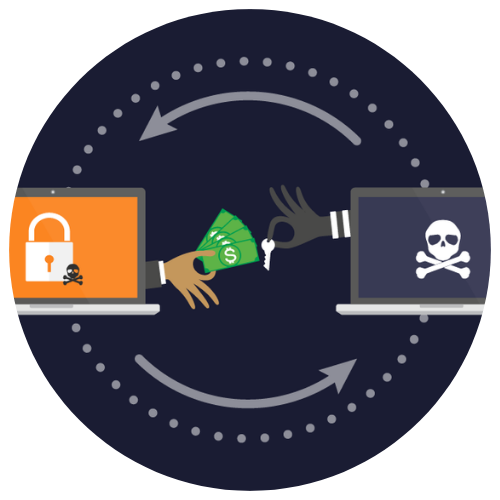 Ransomware groups will increasingly abandon encryption in favor of pure extortion models. Why bother with decryption keys when you can threaten to release stolen data, launch DDoS attacks against critical infrastructure, or sell access to compromised systems to other threat actors?
This shift makes traditional backup strategies less effective. Organizations will need to focus equally on preventing data exfiltration and maintaining robust incident response capabilities. The concept of “assume breach” will transition from security philosophy to operational reality.
Supply Chain Vulnerabilities Multiply
As software dependencies grow increasingly complex, supply chain attacks will become more frequent and devastating. Every third-party library, API integration, and vendor relationship represents a potential entry point for attackers.
Organizations will invest heavily in software bill of materials (SBOM) tracking and continuous monitoring of their entire technology ecosystem. Security teams will need to become experts not only in their own infrastructure but also in understanding the security posture of every supplier and partner within their network.
Zero Trust Architecture Becomes Non-Negotiable
The perimeter has dissolved. Remote work, cloud services, and interconnected systems render traditional network security models obsolete. Zero trust architecture, which assumes no user or device is trustworthy by default, will shift from cutting-edge to baseline requirement.
Implementation will focus on granular access controls, continuous authentication, and micro-segmentation. Every access request will be thoroughly verified, every session closely monitored, and every anomaly thoroughly investigated. Organizations still relying on VPNs and perimeter firewalls as their primary defense will face significant risk.
The Quantum Threat Looms Larger
 While quantum computers capable of breaking current encryption standards may still be a few years away, 2026 will be the year organizations take post-quantum cryptography seriously. Forward-thinking attackers are already harvesting encrypted data with the intention of decrypting it once quantum computers become available.
Expect to see widespread adoption of quantum-resistant encryption algorithms and a massive undertaking to identify and upgrade vulnerable systems. The cryptographic transition will be one of the decade’s most significant security initiatives.
Identity Will Be the New Perimeter
With users, devices, and applications scattered across cloud environments, identity management will become the cornerstone of security strategy. Passwordless authentication, biometric verification, and behavioral analysis will replace traditional username and password combinations.
However, this also means that identity systems themselves will become prime targets. Attacks against authentication providers, credential stuffing campaigns, and sophisticated social engineering will surge as attackers recognize that compromising identity systems provides access to entire ecosystems.
Regulatory Pressure Increases
Governments worldwide will continue tightening cybersecurity regulations, with steeper penalties for breaches and stricter reporting requirements. Organizations will need to maintain detailed security documentation, demonstrate compliance with multiple frameworks simultaneously, and respond to incidents within increasingly compressed timeframes.
The cost of non-compliance will often exceed the investment required for robust security programs, finally providing the business case that security leaders have long sought.
Preparing for 2026: Action Items
Security teams should focus on several key priorities:
 First, invest in AI and automation capabilities that can operate at the speed and scale required to address modern threats. Human analysts alone cannot keep pace with the volume of security events in complex environments.
Second, strengthen third-party risk management programs. Every vendor relationship should include thorough security assessments, ongoing monitoring, and clear incident response protocols.
Third, prioritize identity and access management initiatives. Implement multi-factor authentication universally, adopt passwordless technologies where possible, and continuously monitor for compromised credentials.
Fourth, develop comprehensive incident response and disaster recovery plans that account for multiple simultaneous attacks. Tabletop exercises should include scenarios involving supply chain compromise, ransomware, and data extortion.
Finally, cultivate a culture of security awareness throughout the organization. Every employee is both a potential vulnerability and a critical line of defense. Regular training, phishing simulations, and clear reporting mechanisms will be essential.
The Bottom Line
Cybersecurity in 2026 will demand more resources, more sophistication, and more strategic thinking than ever before. The threat landscape is not only growing, but it is also fundamentally transforming. Organizations that approach security as a checkbox exercise will find themselves woefully unprepared.
The good news is that defensive technologies are also advancing rapidly. Organizations that invest wisely, plan strategically, and maintain vigilance will be well-positioned to navigate the challenges ahead. The key is to start preparing now, because in cybersecurity, the best time to defend against tomorrow’s threats is today.